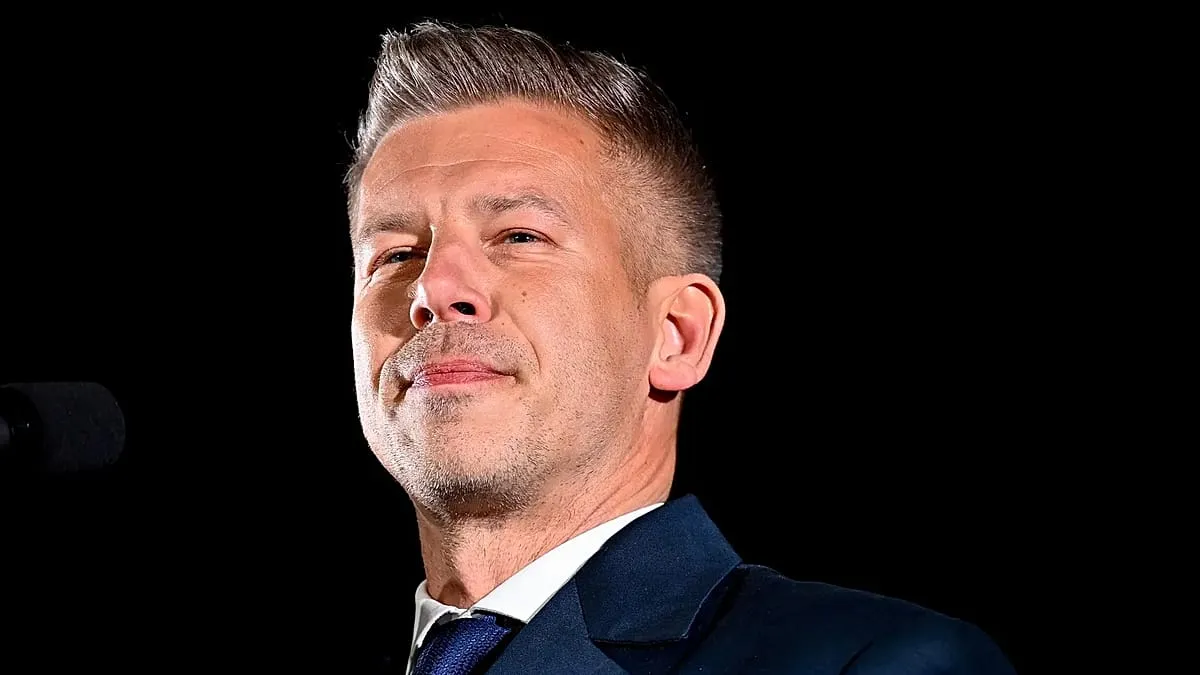
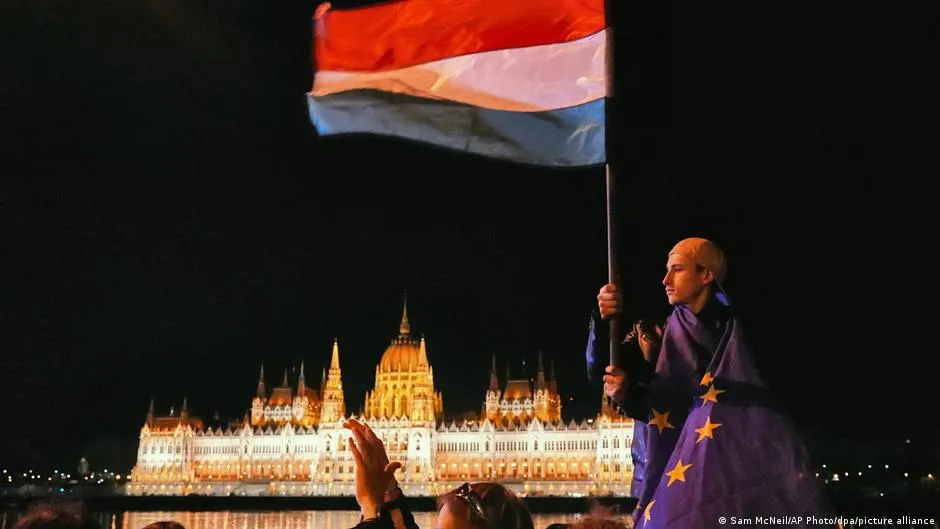
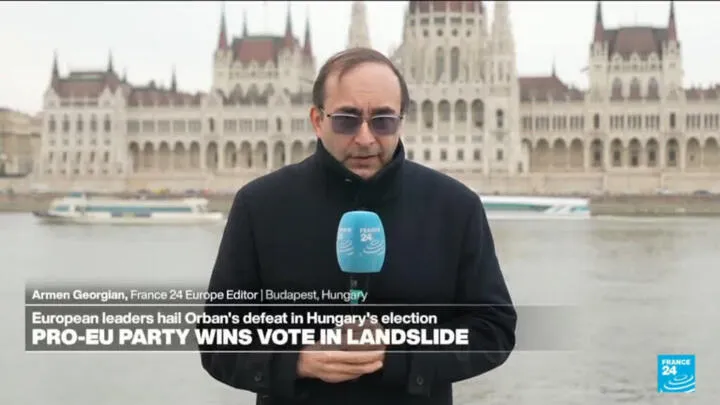
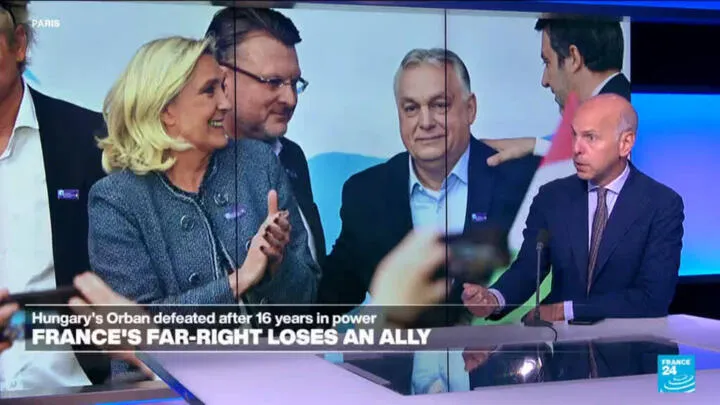
Hungarians awoke Monday to what observers are calling a political earthquake, after the centre-right opposition led by Peter Magyar secured a landslide victory in parliamentary elections, ending the long dominance of Viktor Orban's government, according to reporting by France 24.
The scale of the result reverberated well beyond Hungary's borders, drawing reactions from Washington to Kyiv and sending Budapest's financial markets sharply higher. The Hungarian capital itself saw street celebrations as the results became clear.
What Magyar has promised
Magyar, who has positioned himself as a pro-European alternative to Orban's nationalist, Brussels-sceptic governance, has outlined an ambitious reform agenda centered on anti-corruption measures.
Key pledges include strengthening judicial independence and overhauling public procurement rules - two areas that have been central to long-running disputes between Hungary and the European Union. Those disputes have resulted in the freezing of billions of euros in EU funds allocated to Hungary.
Securing the release of those blocked funds is expected to be among Magyar's most pressing early priorities, and his reform commitments are seen as directly aimed at satisfying the conditions Brussels has set for their disbursement.
Broader implications
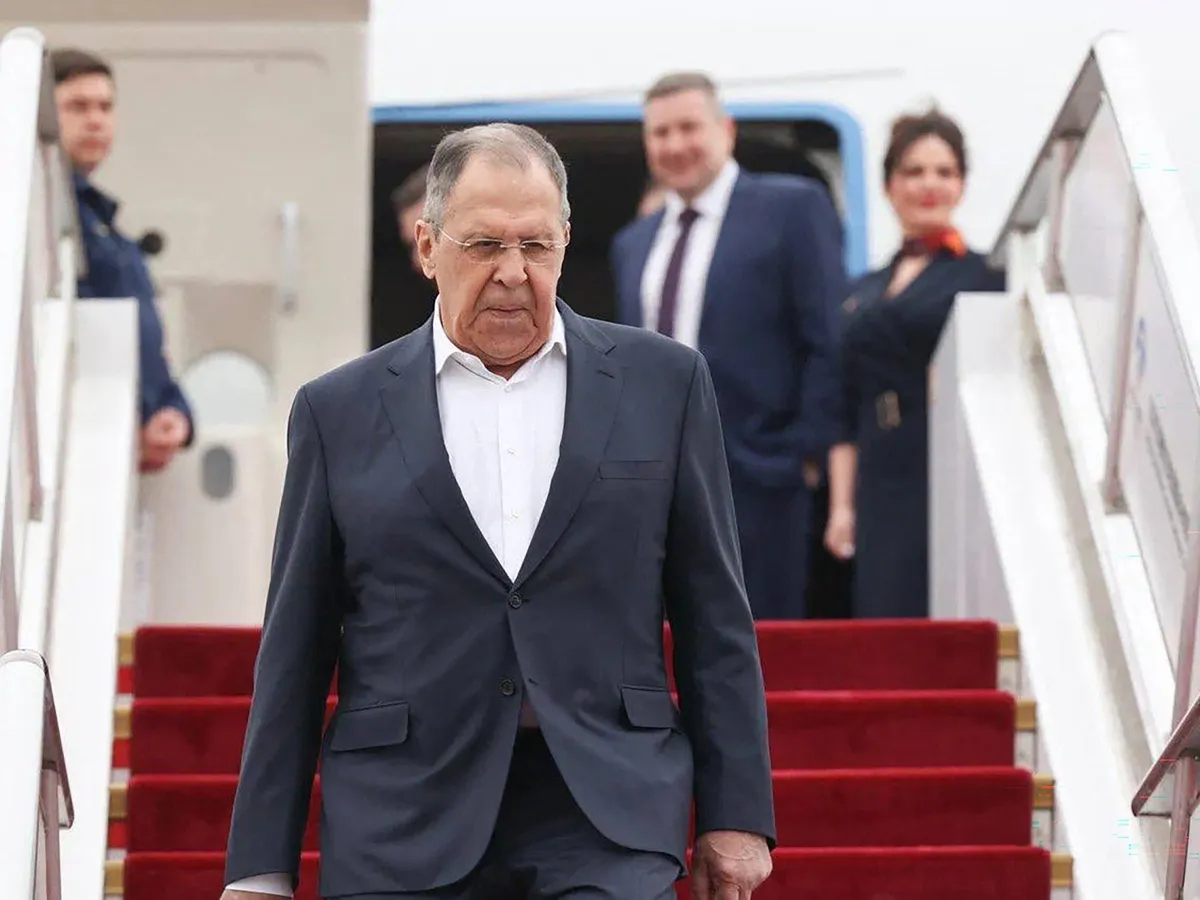
Hungary's relationship with both the EU and NATO had grown strained under Orban, who cultivated close ties with Moscow and repeatedly blocked or delayed Western consensus positions on the war in Ukraine. Magyar's victory is widely expected to produce a significant realignment of Budapest's foreign policy.
The reaction from Kyiv, which had been at odds with Orban over Hungary's resistance to EU support measures for Ukraine, reflected the geopolitical weight attached to the result. Western European capitals and officials in Brussels also responded to the news, though specific statements were not detailed in the France 24 report.
Market confidence appeared to reflect investor expectations of improved EU relations and access to frozen funds, with Hungarian assets rising sharply in early trading following the result.
A new chapter for Hungary
Orban had governed Hungary for more than a decade, reshaping the country's institutions and carving out a distinctive illiberal model that drew sustained criticism from human rights groups and EU institutions alike.
Magyar's path to power has been rapid. He emerged as a prominent critic of the Orban government relatively recently, and his ability to consolidate opposition support into a decisive electoral majority marks a striking political shift in a country where the ruling party had long controlled the media landscape and electoral rules.
The full composition of the new parliament and the timeline for government formation had not been reported at the time of publication.