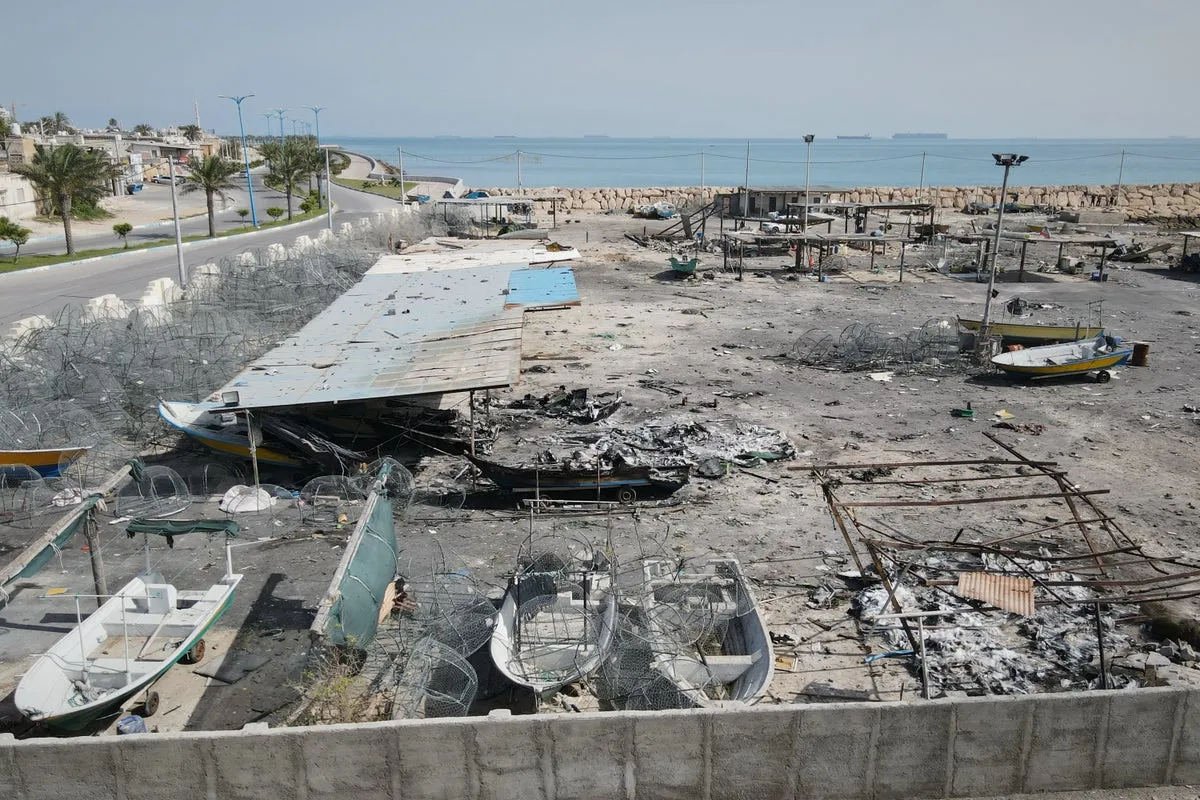
If you thought geopolitical instability was just a stock market problem for people who own yachts, think again. The ongoing conflict involving Iran is now threatening to drag tens of millions of ordinary people worldwide into poverty - and according to the United Nations Development Programme, that damage could happen even if the war ended tomorrow.
A 'triple shock' nobody ordered
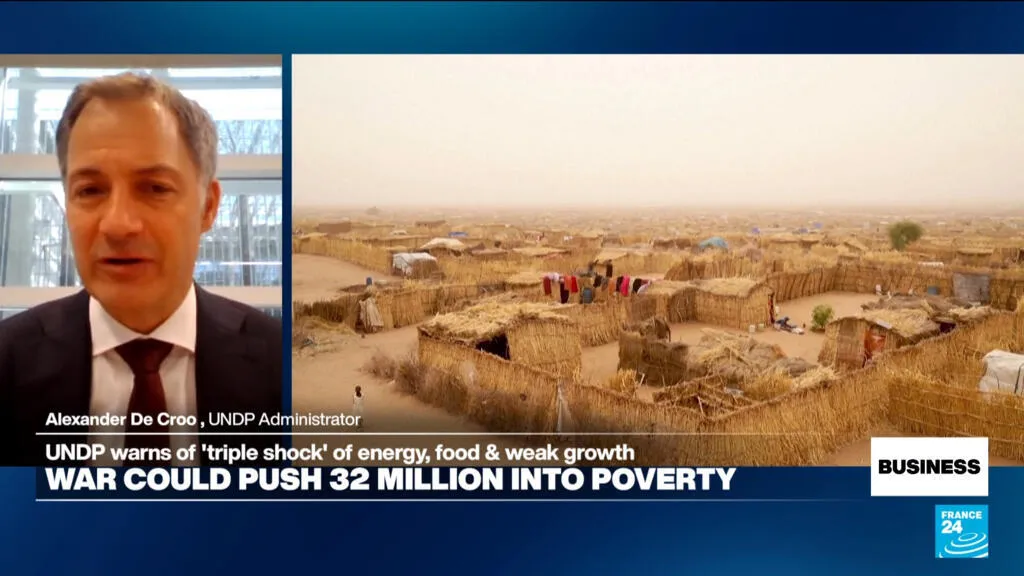
Speaking to France 24, the UNDP chief laid out a grim assessment of what the organisation is calling a 'triple shock': energy disruption, rising food prices, and weakened global economic growth. The combination of these three forces, working in concert like the world's worst band, could push more than 32 million people into poverty globally, according to UNDP's warnings.
The UNDP chief's summary of the situation was blunt: 'War is development in reverse.' Which, honestly, is the kind of sentence that sounds obvious the moment someone says it out loud, and yet somehow needed saying.
The IMF is also not having a great time
Meanwhile, the International Monetary Fund has downgraded its outlook for the global economy - not once, but across three separate scenarios, each calibrated to how long the conflict drags on. Short war, medium war, long war: none of them are good, they just vary in how bad. This is the economic equivalent of a doctor showing you X-rays and saying 'pick your favourite.'
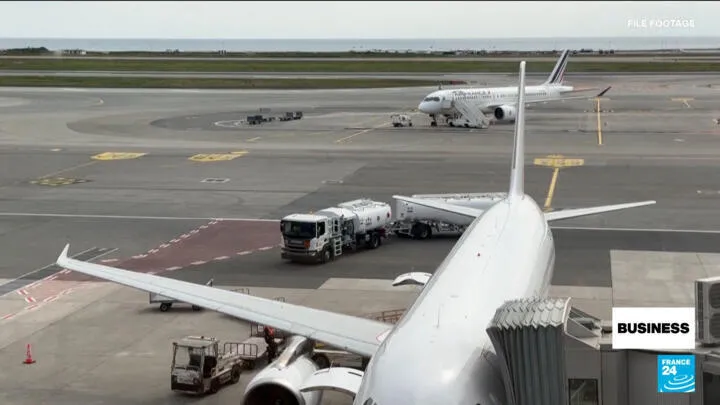
The IMF's multi-scenario downgrade reflects the deep uncertainty still swirling around the conflict, with nobody able to confidently predict how or when hostilities might end.
Why this hits the poorest hardest
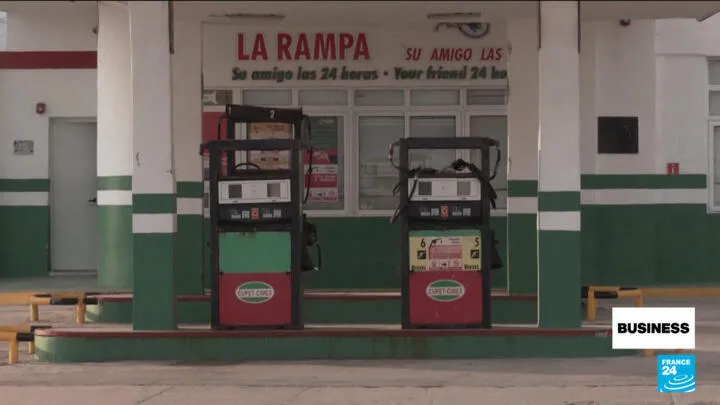
Energy disruption translates almost immediately into higher transport and production costs, which in turn pushes up food prices. For wealthy countries, this is an inconvenience. For lower-income nations already operating on thin margins, it can be catastrophic. The UNDP has long warned that global shocks of this nature punch down - the people least responsible for geopolitical decisions are typically the ones who absorb the worst consequences.

Thirty-two million people is not an abstraction. That is a number larger than the entire population of Peru, or roughly the combined populations of the Netherlands and Belgium, suddenly tipped below the poverty line.
The situation remains fluid, and both the IMF and UNDP are working with projections that will shift as the conflict evolves. But the direction of those projections is already clear, and it is not pointing up.
Source: France 24