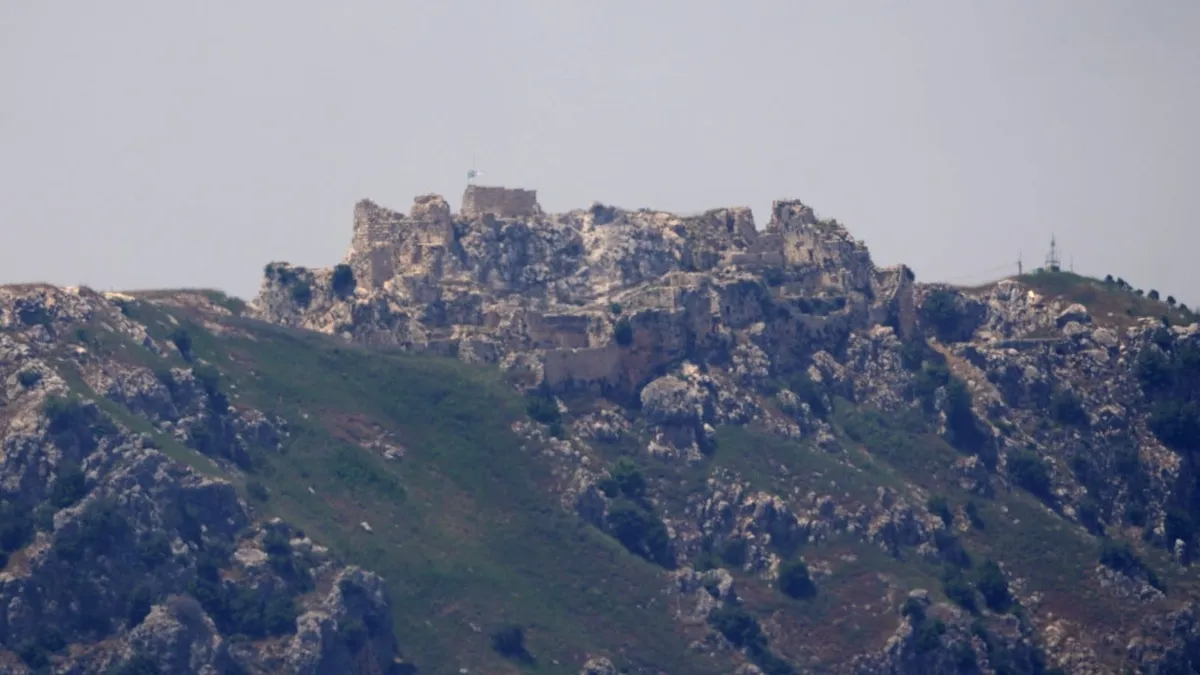
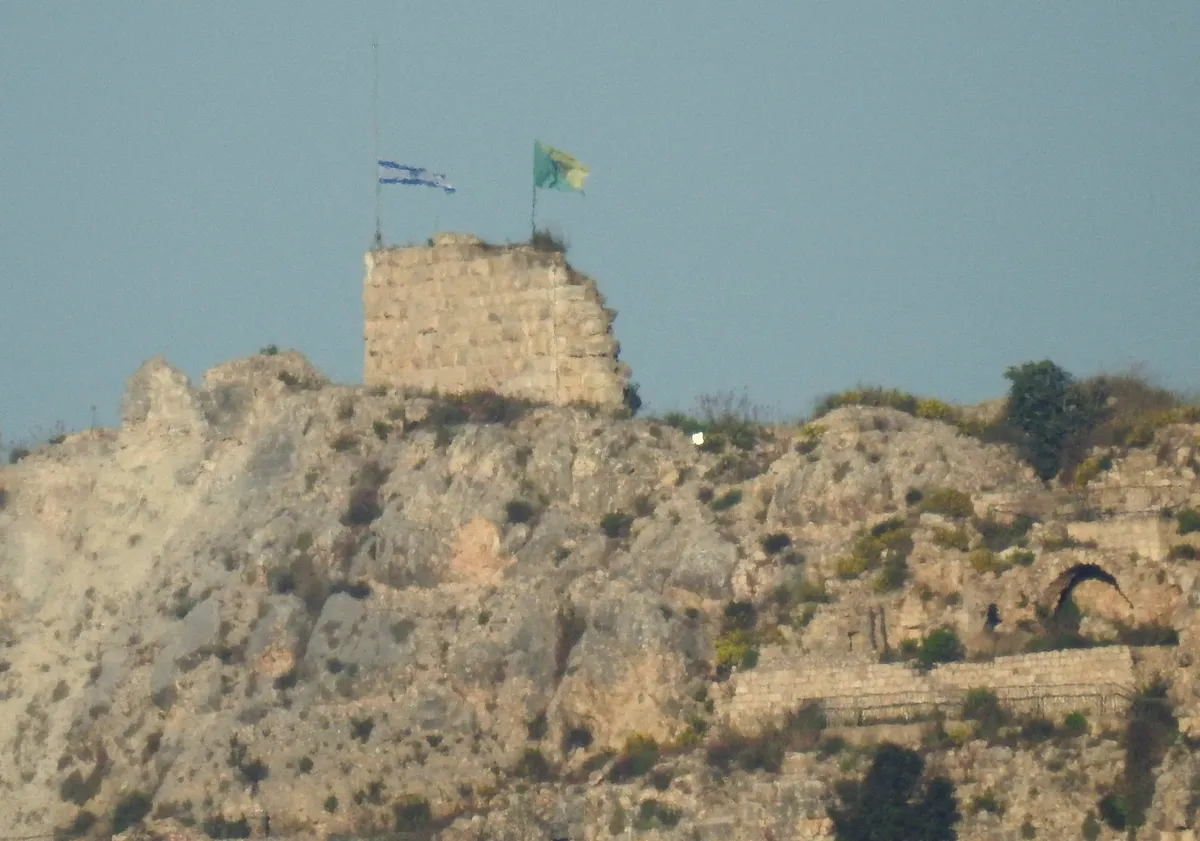
In a development that sounds like it was ripped straight out of a Ridley Scott screenplay, Israeli forces have captured Beaufort Castle - an actual, honest-to-goodness Crusader-era fortress perched on a strategic mountain in southern Lebanon. According to reporting by the South China Morning Post, the Israeli military confirmed the capture on Sunday, marking what it describes as its deepest push into Lebanese territory in more than a quarter century.
The castle, located near the city of Nabatiyeh, has been sitting on that hilltop since the medieval period, quietly watching centuries of conflict roll past beneath it. Now it has a new entry in its very long and very dramatic logbook.
How did we get here?
According to the SCMP, the seizure of Beaufort Castle followed days of Israeli air strikes and intense ground fighting in surrounding villages between Israeli troops and Hezbollah militants. The current conflict reportedly began on March 2, making this castle capture one of the most significant Israeli advances since the latest round of Israel-Hezbollah hostilities kicked off.
Strategically speaking, a castle on top of a mountain is - shockingly - still a pretty solid military position in 2025. Whoever controls the high ground controls the surrounding area, a concept that apparently hasn't changed much since the Crusades. Points for consistency, at least.
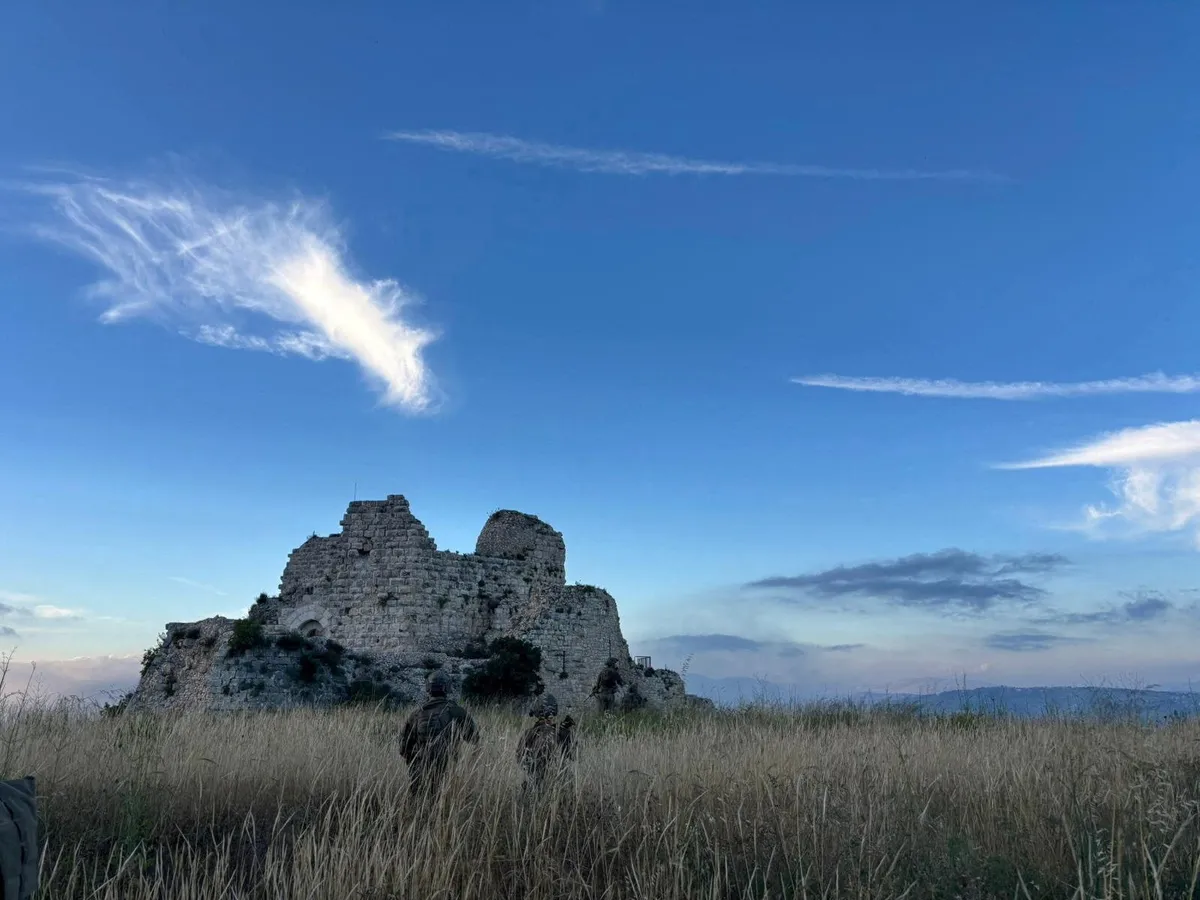
Why Beaufort Castle matters
Beaufort has a long and turbulent history as a military flashpoint in the region. It was previously occupied by the Palestine Liberation Organization, then captured by Israel during the 1982 Lebanon war, and later held by Hezbollah after Israeli forces withdrew from Lebanon in 2000. It has essentially been a hot potato of regional conflict for decades.
Its elevated position offers commanding views over a large swath of southern Lebanon, which explains why every armed faction in the neighbourhood has wanted a piece of it at some point in the last 40-odd years.
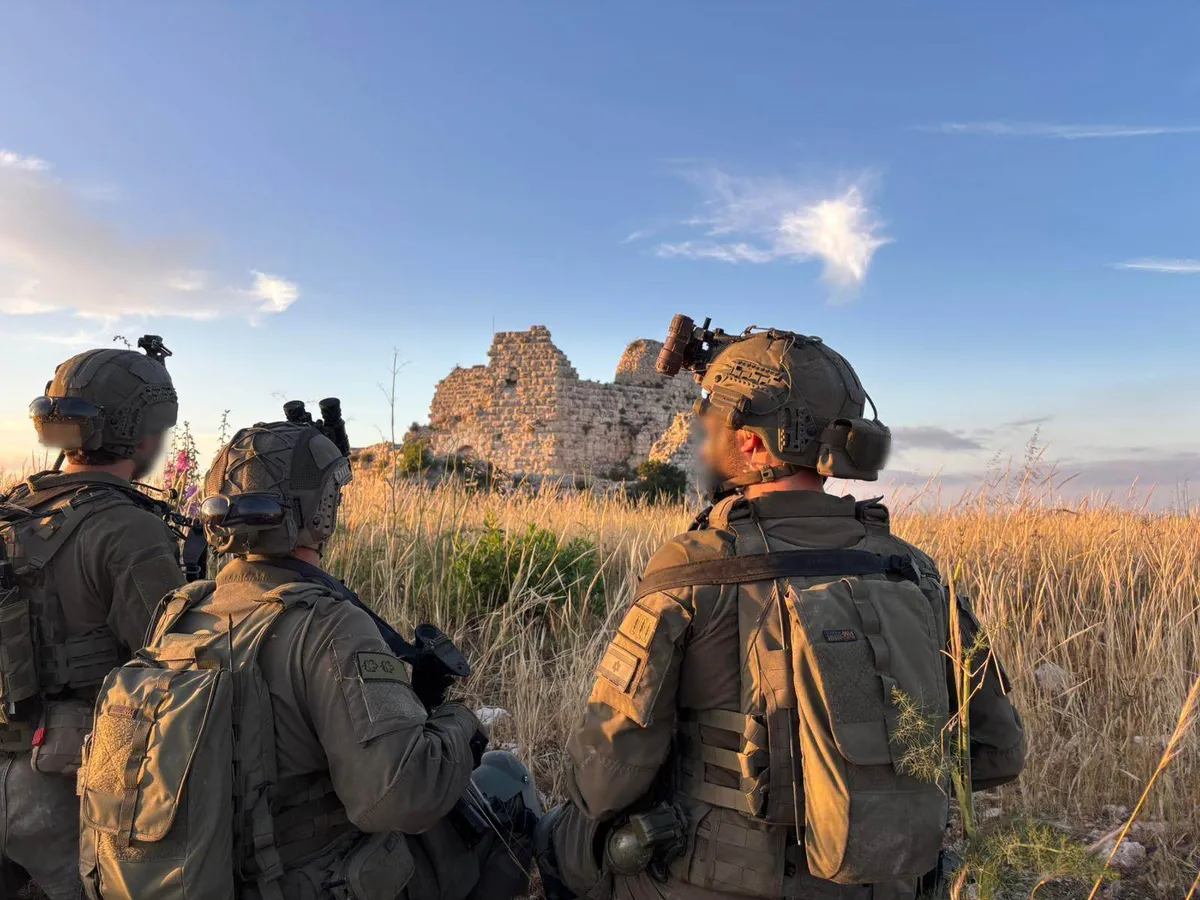
The bigger picture
The castle's capture is being reported as a significant symbolic and tactical milestone in the ongoing conflict. Israeli officials have framed it as part of broader operations against Hezbollah in southern Lebanon, though the full scope and objectives of the ground campaign remain subjects of active reporting.
Meanwhile, history teachers everywhere are presumably updating their lesson plans in real time.
Source: South China Morning Post