In what might be the most surreal diplomatic tightrope walk in recent memory, the United States military launched another round of strikes against Iran on Monday - officially described as "self-defense strikes" - while President Donald Trump simultaneously took to social media to assure everyone that things are basically fine, actually.
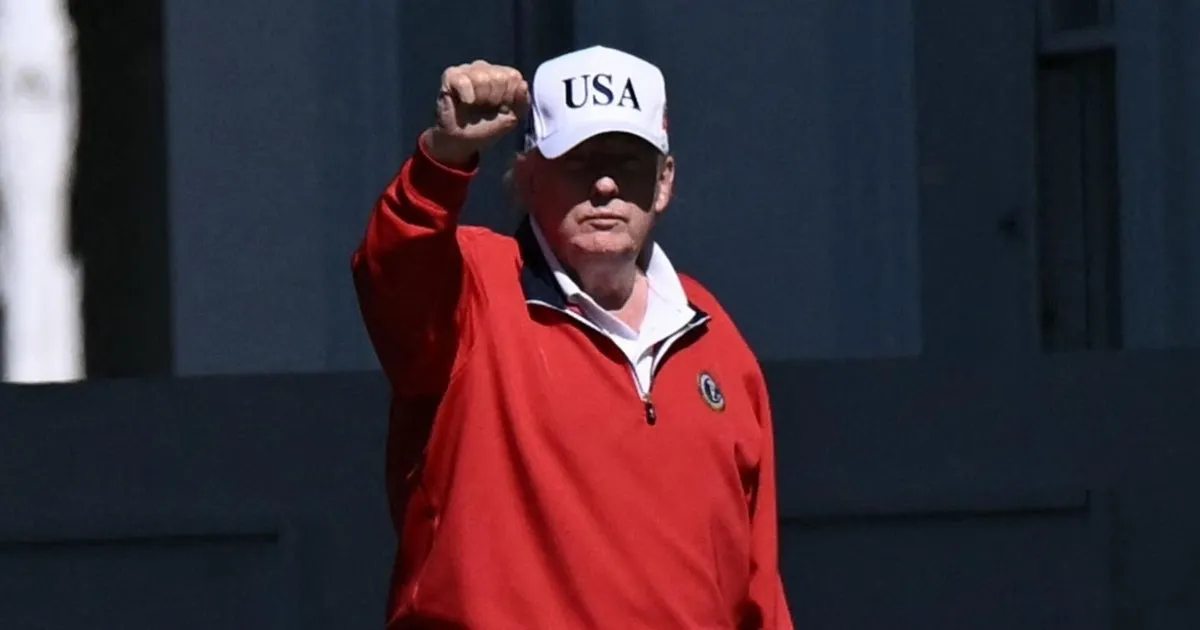
According to CBS News correspondent Charlie D'Agata, the U.S. military confirmed the new wave of strikes even as Trump posted an upbeat message early Monday morning, telling his followers that the situation would "work out well in the end." Whether that qualifies as optimism or denial is, frankly, a matter of personal philosophy.
Bombs away, but keep it positive
The dual nature of Monday's developments - kinetic military action happening simultaneously with the president expressing hope for a peace deal - captures just how tangled the U.S.-Iran relationship has become. On one hand, the Pentagon is running what it characterizes as defensive operations. On the other hand, the commander-in-chief is publicly signaling openness to a negotiated resolution.
It is worth noting that the word "self-defense" is doing a lot of heavy lifting here, as it tends to in most conflicts. The U.S. military's framing of the strikes as defensive in nature points to a broader back-and-forth escalation that has been building between the two countries.
What we actually know
- The U.S. military confirmed launching a new round of strikes against Iran, describing them as "self-defense strikes," per CBS News.
- President Trump posted on social media early Monday expressing optimism about a potential deal.
- Trump's exact words, as reported by CBS News, were that "it will all work out well in the end."
- CBS News correspondent Charlie D'Agata reported on the situation, though specific details on the targets or scale of the strikes were not fully elaborated in early reporting.
The diplomatic wildcard
Trump's public optimism about a deal is not nothing. Despite the active military engagement, the president's messaging suggests back-channel conversations or at least an expressed willingness to find an off-ramp. Whether Iran is reading those signals the same way, especially while absorbing strikes, is another question entirely.
The situation remains fluid - a word journalists use when they mean "genuinely unpredictable and somewhat alarming." For now, the world watches as the U.S. manages the unusual combination of dropping ordnance and extending olive branches, sometimes within the same news cycle.
More details are expected as the situation develops. CBS News is continuing to follow the story.