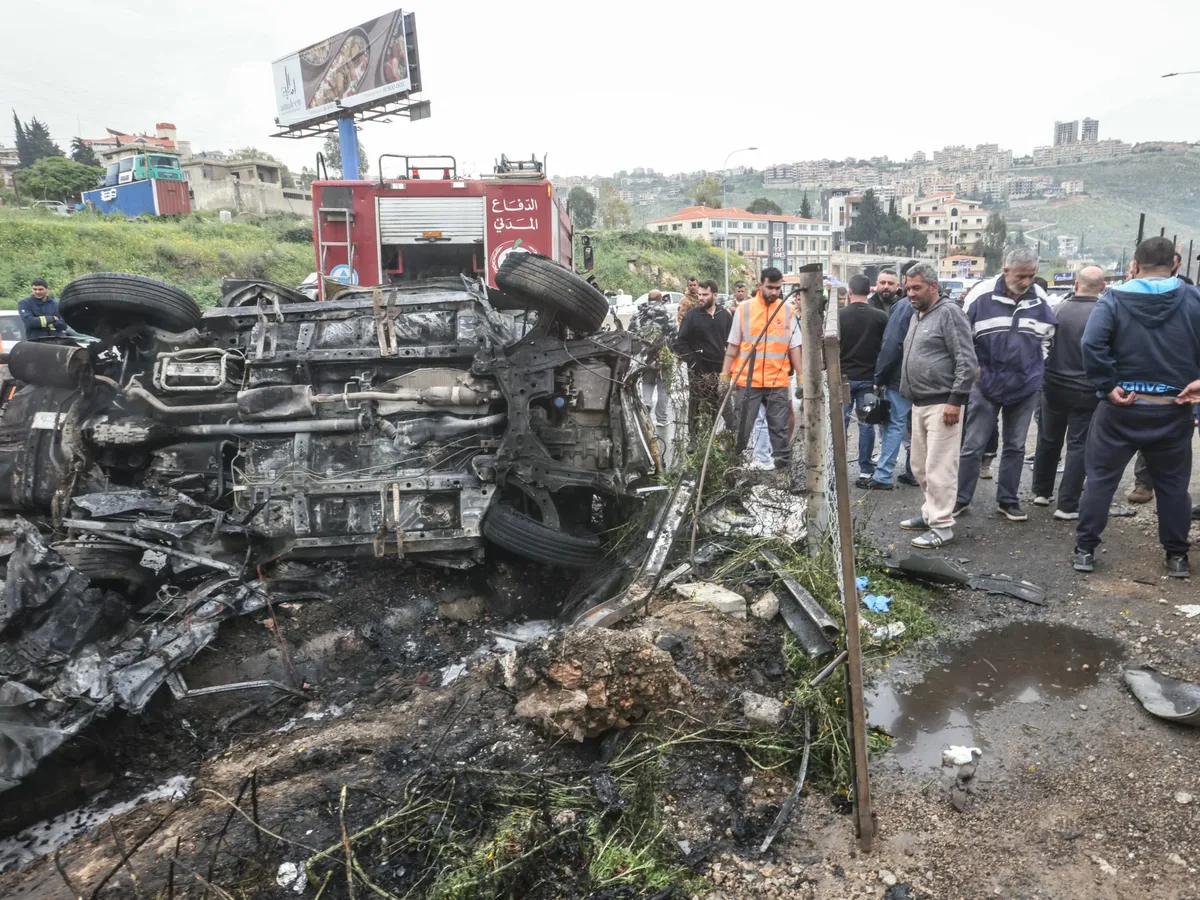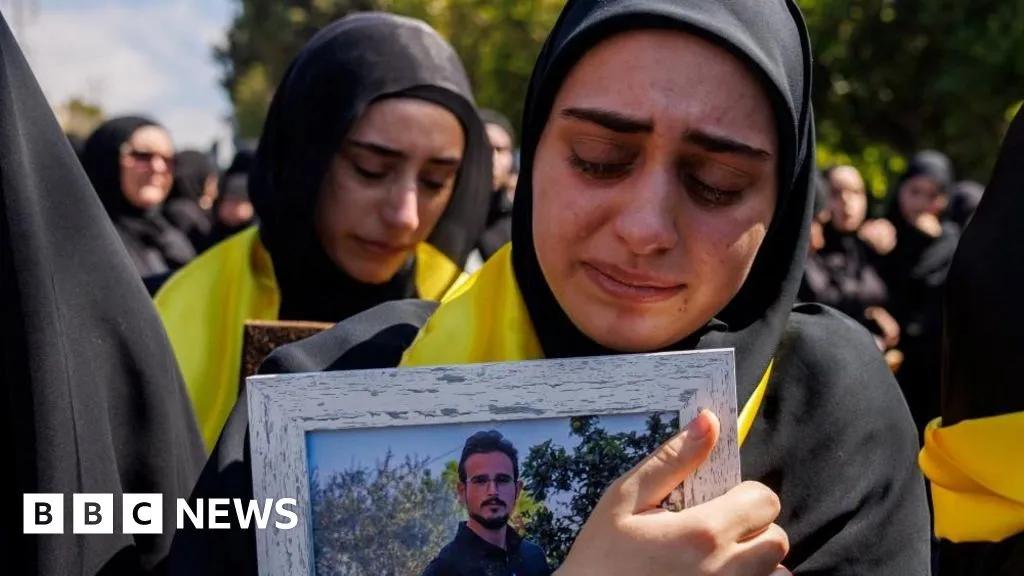
If you thought a ceasefire meant, you know, a cessation of fire, Lebanon would like a word with you. According to Lebanese officials, as reported by the BBC, the death toll from Israeli strikes on Lebanese territory has now surpassed 3,000 people - a grim milestone in the ongoing conflict between Israel and the armed group Hezbollah, which has dragged on since March.
What we know
Lebanese officials confirmed the 3,000-death threshold has been crossed, marking a devastating escalation in a conflict that has rattled the region for months. The fighting has centered on Israeli military operations targeting Hezbollah positions in Lebanon, though as with any conflict of this nature, the toll on civilian infrastructure and non-combatants has been severe.
The BBC reports that the violence has persisted despite what is described as a "nominal ceasefire" - and yes, the word "nominal" is doing a lot of heavy lifting in that sentence. A ceasefire that doesn't actually stop the firing is, to put it gently, a branding issue.
The bigger picture
The Israel-Hezbollah conflict is one of the region's most entrenched and cyclical tensions, with roots going back decades. Hezbollah, designated as a terrorist organization by the United States, the European Union, and others, operates as both a political party and a heavily armed militant group in Lebanon, with deep ties to Iran. Israel views its presence along the northern border as an existential threat.
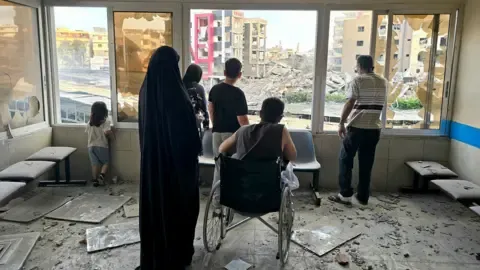
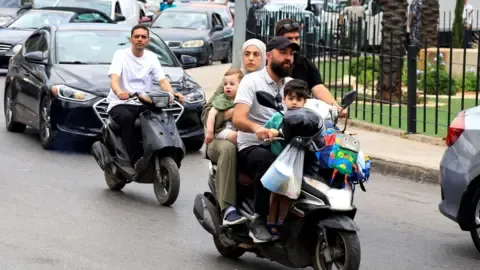
The current escalation has displaced hundreds of thousands of people inside Lebanon, battered the country's already fragile infrastructure, and placed immense pressure on a Lebanese state that was already struggling under severe economic collapse and political paralysis - because apparently the universe decided Lebanon hadn't had enough on its plate.
Why this number matters
Crossing the 3,000 mark is not just a statistic. It represents a scale of loss that human rights organizations and international observers are increasingly calling for accountability over. The United Nations and various NGOs have repeatedly called for protections for civilians amid the strikes, with mixed results at best.
As of the time of reporting, there is no confirmed path toward a durable ceasefire, and the situation on the ground remains deeply volatile. The BBC continues to track developments, and the numbers, tragically, may keep climbing.
The international community's response has so far been characterized mostly by statements of concern - which, as Lebanon's 3,000 dead might suggest, isn't quite cutting it.