A suicide bombing in Quetta, the capital of Pakistan's Balochistan province, killed at least 23 people and wounded more than 70 others on Saturday, according to reporting by France 24. The attacker detonated an explosives-laden car positioned near a railway line at the precise moment a passenger train was passing - a level of coordination that speaks to a deliberate, targeted strike against civilians.
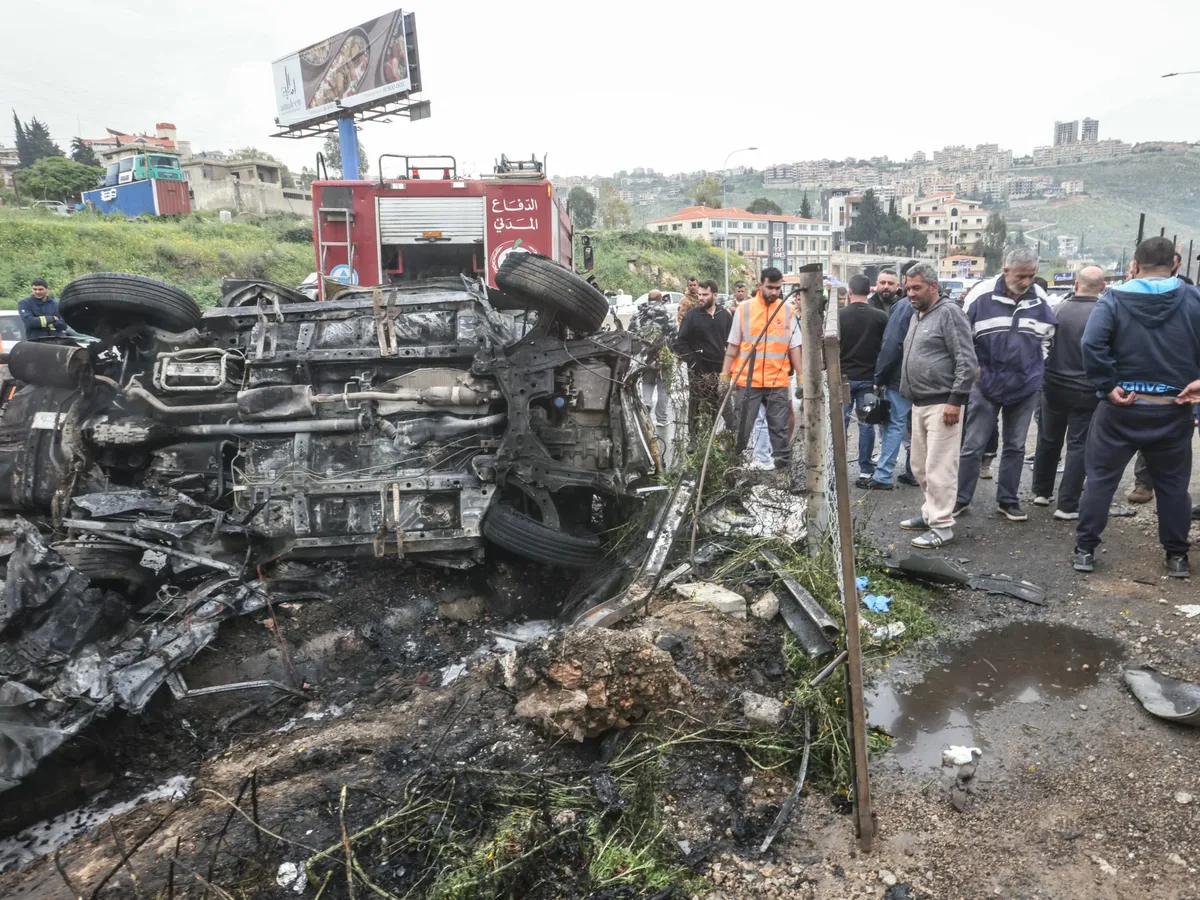
The blast was powerful enough to overturn two train carriages, which subsequently caught fire. Emergency services scrambled to the scene as rescue workers faced the grim task of pulling survivors and casualties from the wreckage of mangled steel and burning cars.
What we know so far
The attack took place in Quetta, a city in southwestern Pakistan that sits in Balochistan - a province with a long and turbulent history of separatist insurgency and militant activity. While no group had officially claimed responsibility at the time of initial reporting, Balochistan has seen frequent attacks attributed to both Baloch separatist groups and Pakistani Taliban factions in recent years.
The method - a vehicle-borne suicide bomber timed to coincide with a passing train - suggests the perpetrators had surveillance in place and chose their moment deliberately to maximize casualties among ordinary commuters.
A province under pressure
Balochistan is no stranger to violence. It is Pakistan's largest province by area but one of its most underdeveloped, and it has been at the center of a decades-long insurgency. Attacks on infrastructure - including railways, pipelines, and roads - are a recurring tactic used by militant groups operating in the region.
The scale of this attack, with two carriages overturned and on fire and a death toll climbing past two dozen, makes it one of the more devastating single incidents in recent memory for the province.
The human cost
Beyond the headline numbers, what the statistics represent is a train full of ordinary people going about their day - commuters, families, workers - caught in a blast designed to kill as many of them as possible. Over 70 injured means dozens more lives upended, with Pakistan's already strained medical infrastructure in the region now under serious pressure.
Pakistani authorities have not yet made detailed public statements beyond initial casualty figures, per France 24's reporting. Investigations are ongoing.