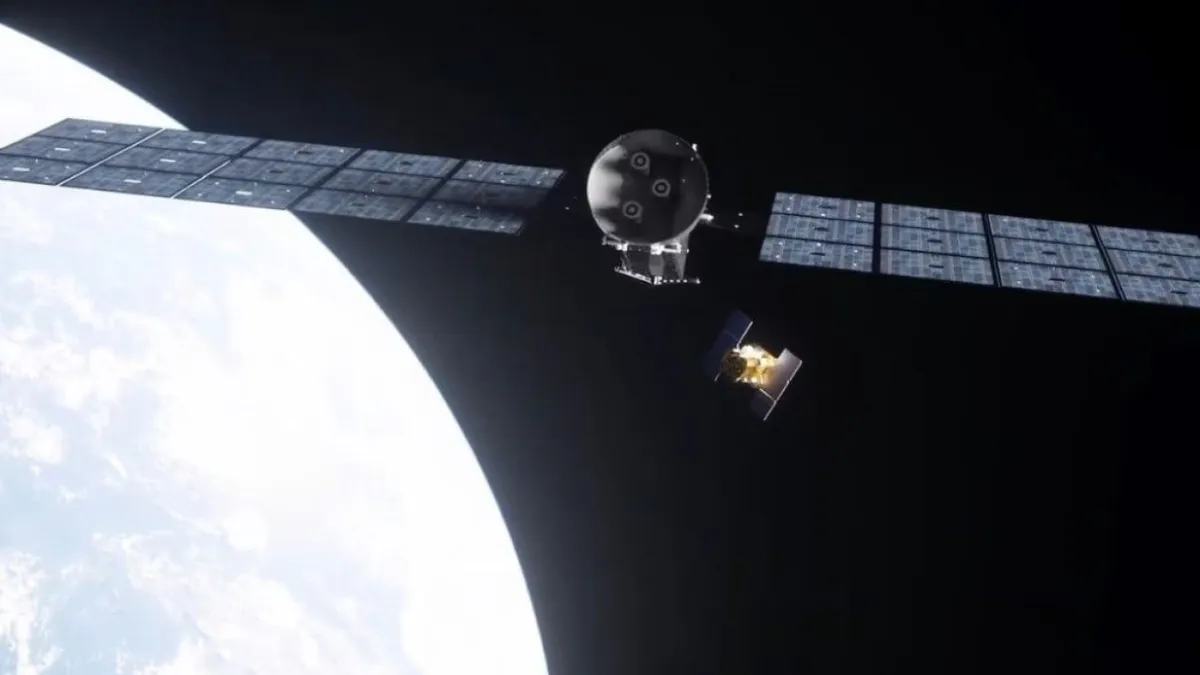
In what might be the nerdiest rescue operation in human history, NASA has launched a robotic mission to save one of its ageing space telescopes from a fiery death in Earth's atmosphere. The mission, reported by the South China Morning Post, lifted off Friday after weather delays pushed back the original Tuesday launch window.
The patient: Swift space telescope
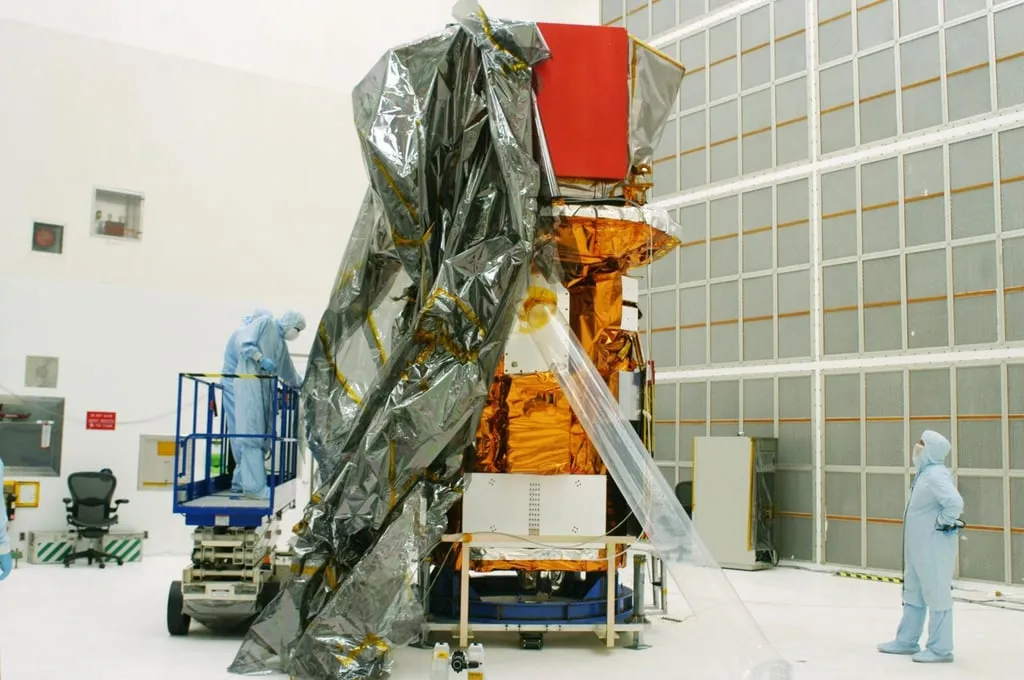
The telescope in question is the Swift space observatory, a veteran instrument that has been scanning the universe for gamma-ray bursts and other high-energy phenomena. Like many retirees, Swift has been slowly losing altitude and is now on a gradual collision course with the atmosphere - which, for a spacecraft, is essentially a death sentence involving a lot of fire and very little dignity.
Without intervention, Swift would eventually burn up on re-entry, ending what has been a productive scientific career. NASA, apparently not ready to let that happen, decided to send a robot to the rescue.
The rescuer: an unprecedented robotic operation
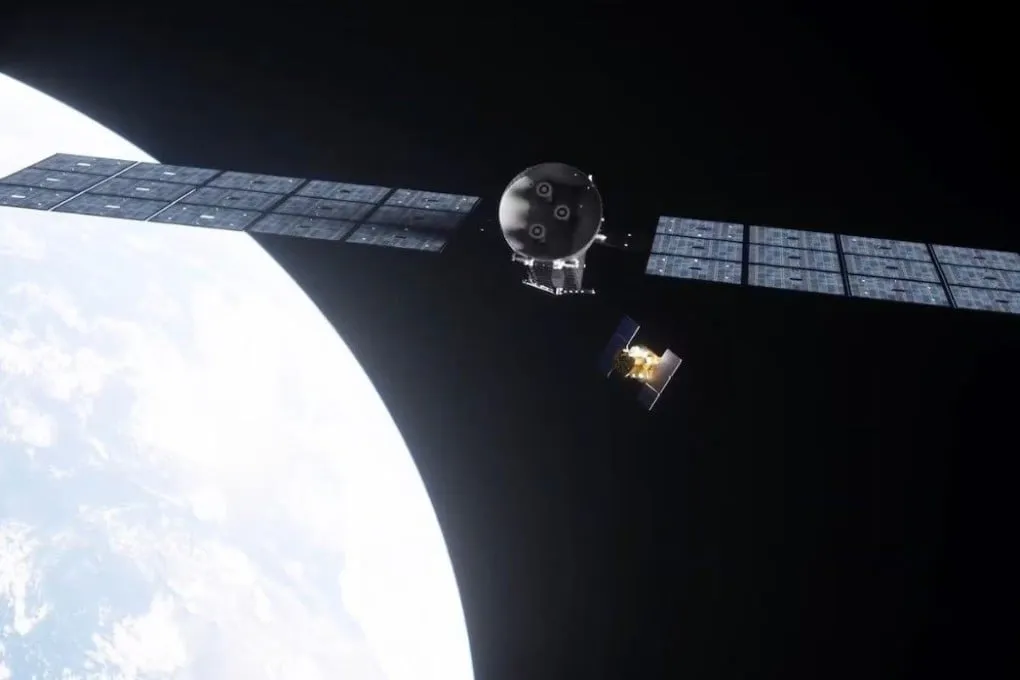
The $30 million mission is described as unprecedented - because it genuinely is. No agency has attempted quite this kind of robotic intervention to extend the life of a science telescope in this situation. The operation is expected to be complex and will play out over several months, so don't expect a dramatic five-minute save sequence. This is more of a slow-burn thriller than an action blockbuster.
The core idea is to use the robot to essentially give Swift a new lease on life, keeping it operational and in a stable orbit rather than letting gravity win this particular argument.
Why this matters beyond one telescope
Here's where things get genuinely exciting for space nerds and infrastructure wonks alike. If this works, it could open the door to routinely extending the lives of other satellites and space instruments that would otherwise be written off. Think of it as proving out a model for space-based repair-and-rescue that could save future missions - and future budgets - significant pain.
The implications for space sustainability are real. Satellites are expensive, launching replacements is expensive, and orbital debris is already a growing headache. A proven robotic servicing capability could change how space agencies and private operators think about end-of-life management for their hardware.
What's next
NASA will be watching closely as the mission unfolds over the coming months. The launch delay due to weather was a minor hiccup, but the hard work is only just beginning. For now, Swift hangs in the balance - literally - while a robot makes its way through the void to hopefully lend a mechanical hand.
No pressure.