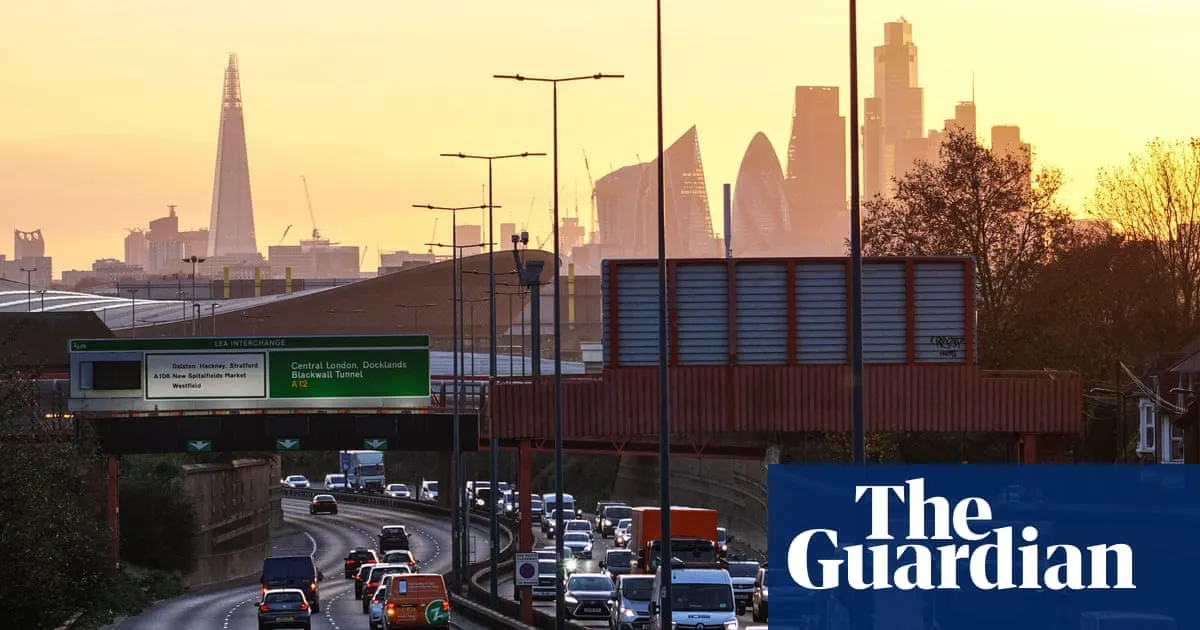
In a development that will absolutely shock nobody who has ever stepped outside on a smoggy day, new research suggests that London's air pollution reduction zones - the T-charge and the Ultra Low Emission Zone (ULEZ) - were actually followed by a drop in emergency hospital admissions. Revolutionary stuff, really.
Scientists at Imperial College London analysed health records from before and after the introduction of the charging zones, according to reporting by The Guardian. The findings add to a growing pile of evidence that clean air zones do what they say on the tin.
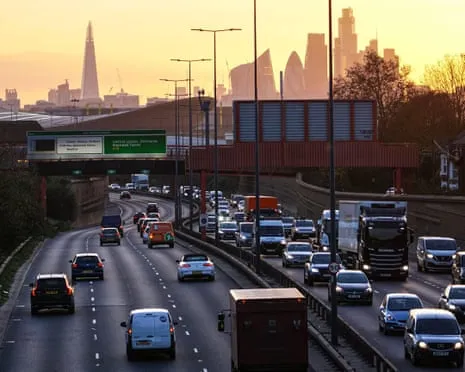
It's not just London getting in on the clean lungs action
London isn't alone in seeing measurable health benefits from cracking down on vehicle emissions. The Guardian's reporting also highlights findings from Bradford, where the introduction of a clean air zone was associated with roughly a 25% reduction in GP visits for heart and breathing problems. That's not a rounding error - that's a quarter fewer people dragging themselves to the doctor because their chest feels like a collapsed accordion.
Survey data from the central London zone also suggests that people became less likely to take sick leave following its introduction. So beyond hospital beds and GP appointment slots, there's an economic argument quietly sitting in the corner, waving its hand politely.
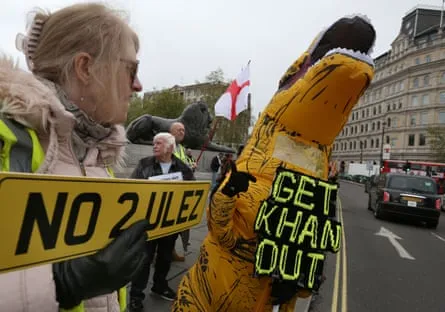
Controversy? Always. Evidence? Also yes.
Low emission and clean air zones have never exactly been crowd-pleasers. They attract fierce opposition every time they are proposed, with critics arguing about cost, fairness, and the fundamental British right to drive whatever you want wherever you want. The political rows around ULEZ expansion in particular were loud, long, and occasionally quite dramatic.
But the research picture is increasingly consistent: cleaner air means fewer sick people. That's not a political opinion, it's a public health outcome that keeps showing up in the data whether politicians like it or not.
The Imperial College study is part of a broader body of work examining the real-world health impacts of air quality policy - an area that tends to get lost in the noise of the policy debate itself, which mostly revolves around parking and perceived government overreach rather than, say, whether people end up in A&E.
The findings won't end the arguments. They never do. But the next time someone at a council meeting insists there's no evidence these zones make any difference, someone in the room will have a rather thick folder to slide across the table.