If you thought flight prices were already eye-watering, buckle up - because the aviation industry is staring down a jet fuel supply crisis with origins in one of the world's most geopolitically chaotic chokepoints: the Strait of Hormuz.
According to a report by DW, a looming jet fuel supply crunch is threatening to make air travel not just more expensive, but more operationally chaotic across the board. And no, this isn't just a "prices go up a bit" situation. Analysts warn passengers should brace for disruptions that go well beyond slapping an extra fuel surcharge onto your ticket.
Why the Strait of Hormuz matters so much
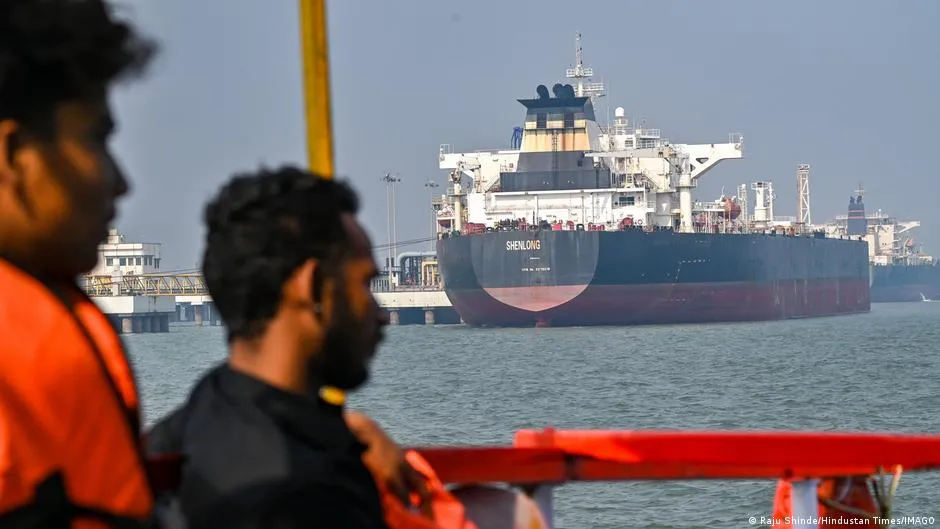
The Strait of Hormuz is essentially the jugular vein of global energy supply. Roughly 20% of the world's oil - including significant volumes of jet fuel feedstock - passes through this narrow Persian Gulf corridor. When tensions in the region flare up (as they have been doing with some enthusiasm lately), the downstream effects ripple outward fast. Airlines, which are already operating on notoriously thin margins, are particularly vulnerable to supply disruptions of this kind.
It's not just about ticket prices
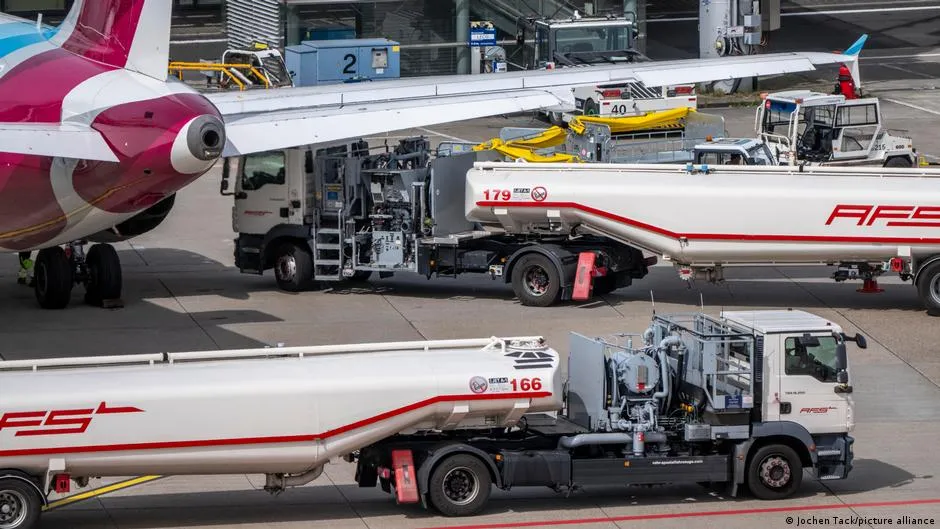
Here's where it gets properly inconvenient for travelers. When jet fuel becomes scarce or prohibitively expensive, airlines don't just raise prices - they restructure. That can mean cutting routes, reducing flight frequencies, or operating smaller aircraft on certain corridors. DW's reporting suggests that passengers should expect a combination of higher fares AND reduced options, particularly on routes that rely heavily on fuel-intensive long-haul travel.
Airlines have limited short-term flexibility here. Unlike your car, you can't exactly run a Boeing 777 on vegetable oil or good intentions. Sustainable Aviation Fuels (SAF) are being developed but remain nowhere near the scale needed to offset a serious conventional fuel crunch.
The summer travel season timing couldn't be worse
The timing is, to put it generously, spectacularly bad. With peak travel season approaching, airlines were already operating at high capacity. A fuel supply squeeze hitting right as millions of people try to flee to Mediterranean beaches or visit grandma is the kind of logistical nightmare that keeps airline executives awake at 3am.
So what can travelers actually do? Not a huge amount, honestly. Booking earlier to lock in current prices and keeping an eye on route availability for alternative connections seems like the most practical advice right now. The crisis serves as yet another reminder of just how deeply global energy geopolitics are embedded in the price of your boarding pass.
Source: DW