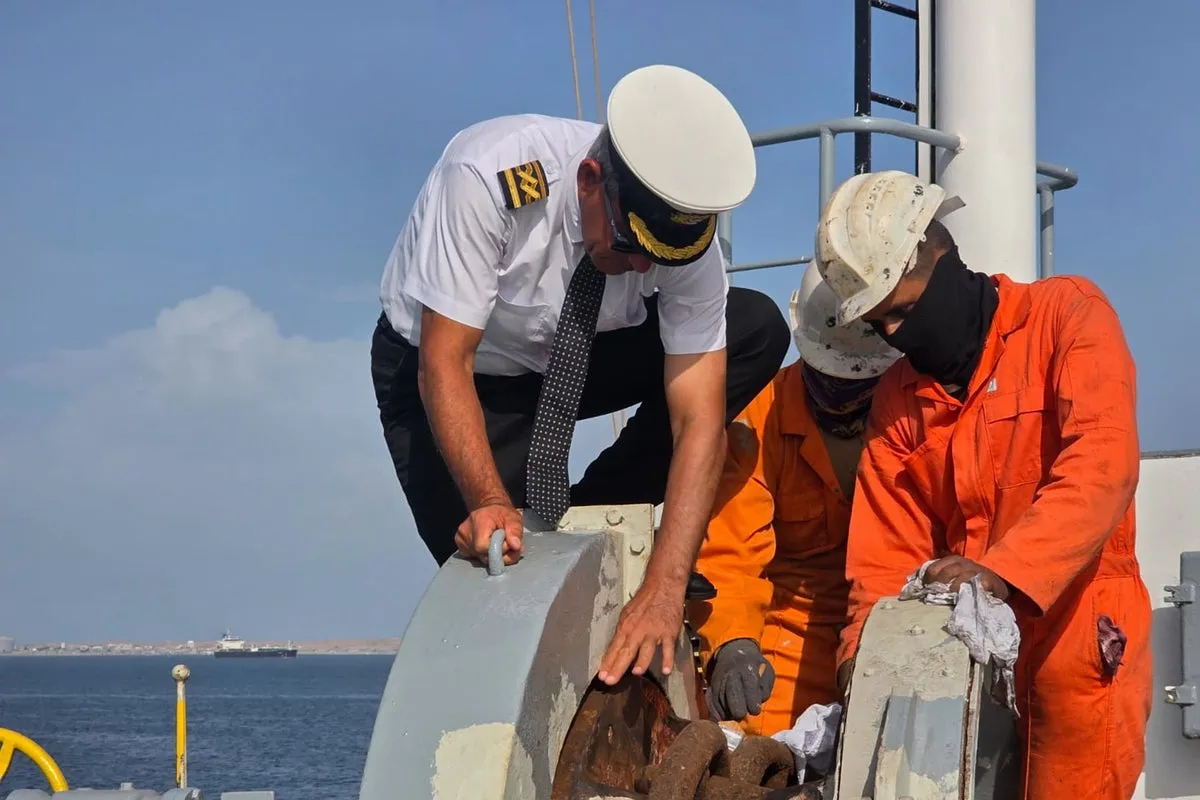
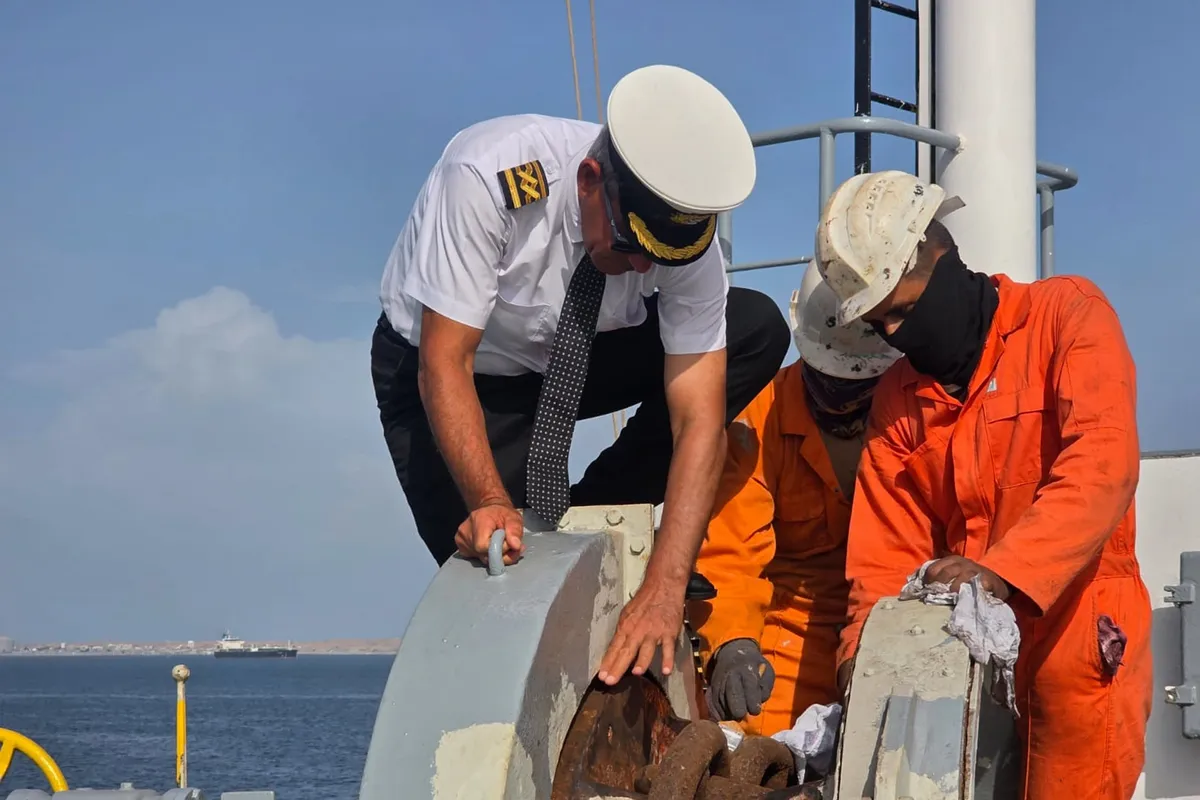
While most of us stress about the commute to the office, Rahman Al-Jubouri has spent the last four months steering an oil tanker through one of the most geopolitically explosive stretches of water on the planet. Casual.
According to a report by The Independent, the veteran tanker captain has remained on board his vessel throughout the escalating US-Iran conflict, navigating the Strait of Hormuz - a narrow chokepoint through which roughly 20% of the world's oil supply passes - as tensions between Washington and Tehran have surged to alarming levels.
Why the Strait of Hormuz matters (a lot)
To understand why this is genuinely nerve-wracking and not just maritime melodrama, consider the geography. The Strait of Hormuz sits between Iran and Oman, measuring a mere 33 kilometers at its narrowest point. Iran has repeatedly threatened to close it during periods of international tension, and the region has been the backdrop for tanker seizures, drone attacks, and military standoffs in recent years. It is, to put it diplomatically, not a chill place to park a massive floating barrel of flammable liquid.
Four months at sea, and counting
Al-Jubouri's extended tenure on board reflects a broader reality for maritime workers in the region - schedules get disrupted, rotations get complicated, and sometimes you simply stay because the job demands it. The Independent's report frames his experience as a window into the human cost of geopolitical brinkmanship that rarely makes it into the headlines alongside missile tests and diplomatic ultimatums.
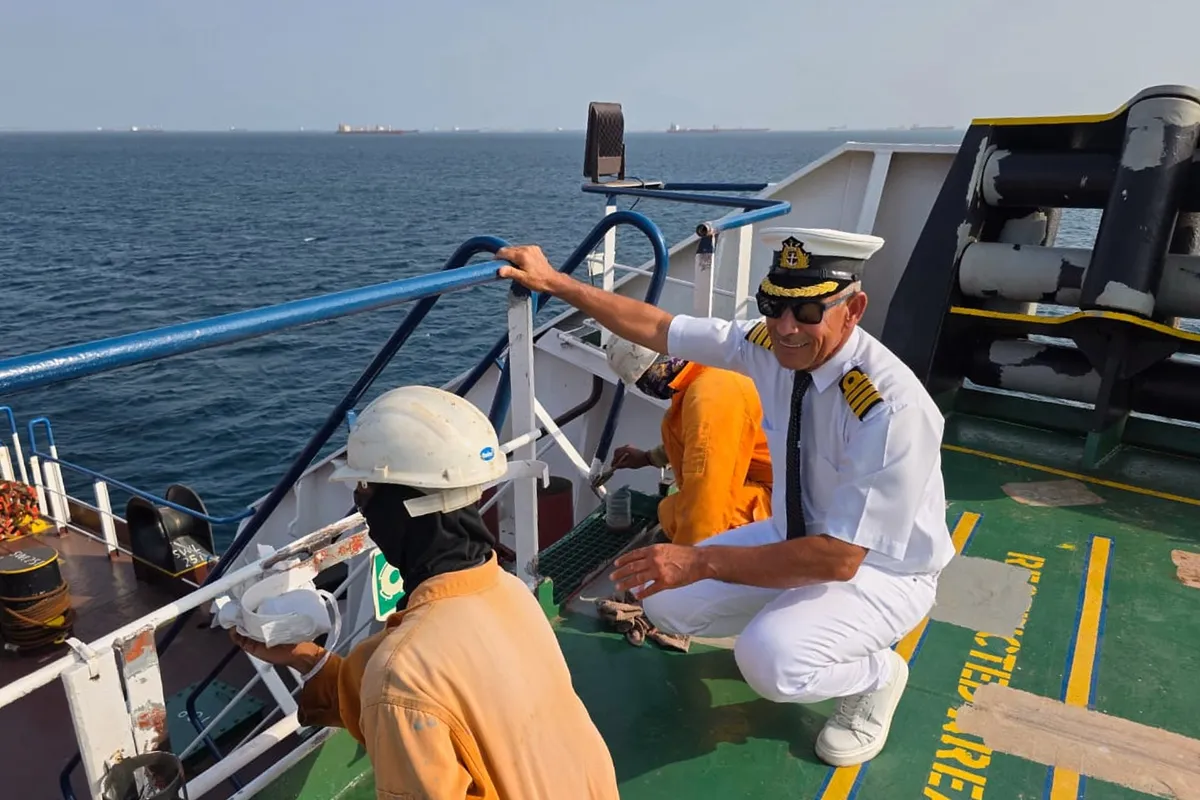
While world leaders trade threats and analysts debate escalation scenarios, people like Al-Jubouri are the ones actually threading the needle - literally - through waters where a miscalculation by any number of armed actors could turn a routine transit into an international incident.
The bigger picture
US-Iran tensions have intensified in 2025, with military posturing, sanctions pressure, and proxy conflicts adding layers of risk to an already volatile region. The shipping industry, which depends on the Strait of Hormuz for a substantial chunk of global energy trade, has been closely monitoring developments - and quietly relying on captains like Al-Jubouri to keep the oil flowing regardless.
It takes a particular kind of steady nerve to do what he does. The rest of us can barely handle turbulence on a commercial flight.