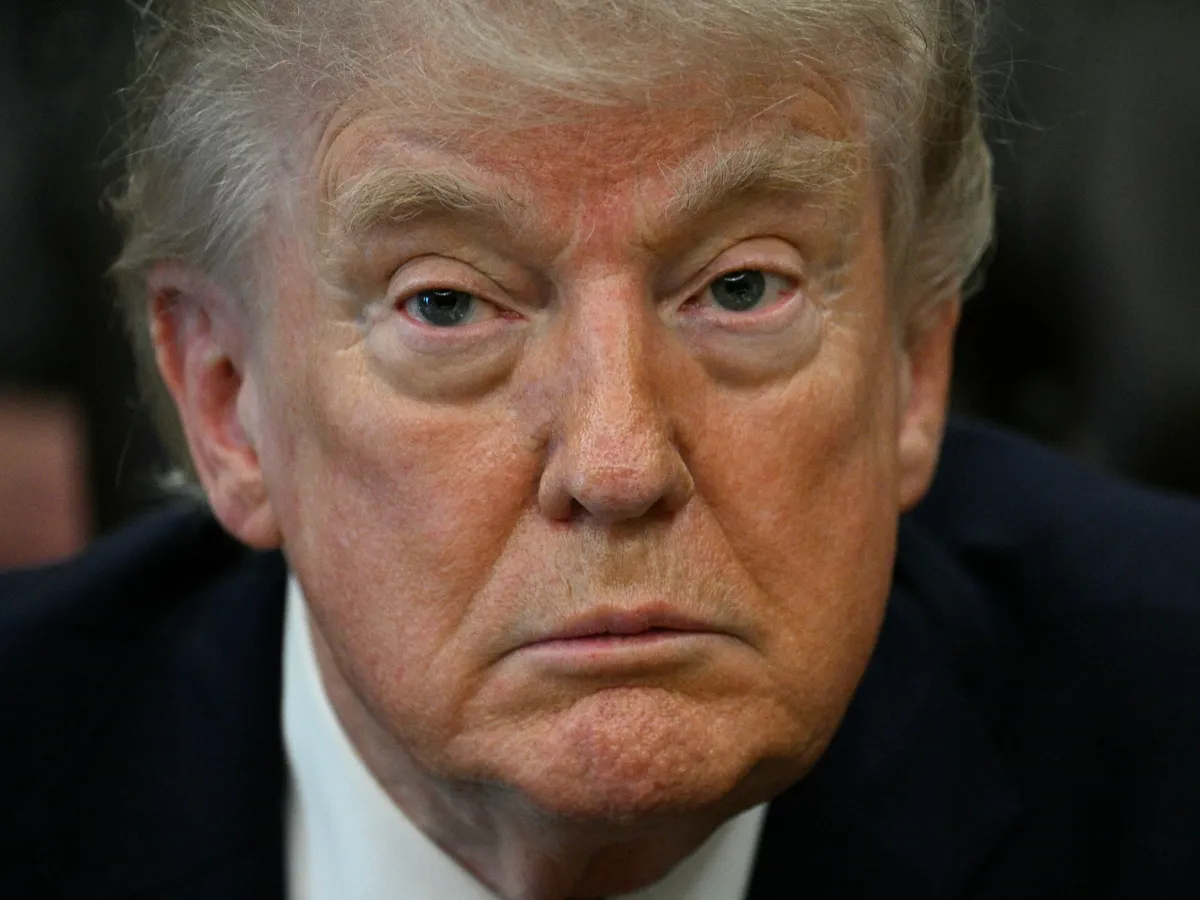
The United States is pressing Israel to reduce tensions ahead of a new round of negotiations between Lebanese and Israeli delegations scheduled to take place in Washington, DC, next week, a Lebanese official told Al Jazeera.
The official's remarks signal that American diplomats are actively engaging both sides in an effort to create conditions conducive to productive talks, with the US playing a central mediating role in the process.
Talks context
The planned Washington meeting marks a continuation of diplomatic efforts to stabilize the border situation between Israel and Lebanon following the ceasefire agreement that halted the conflict between Israel and Hezbollah late last year. Despite the ceasefire, tensions along the border have remained a persistent concern for both countries and regional observers.
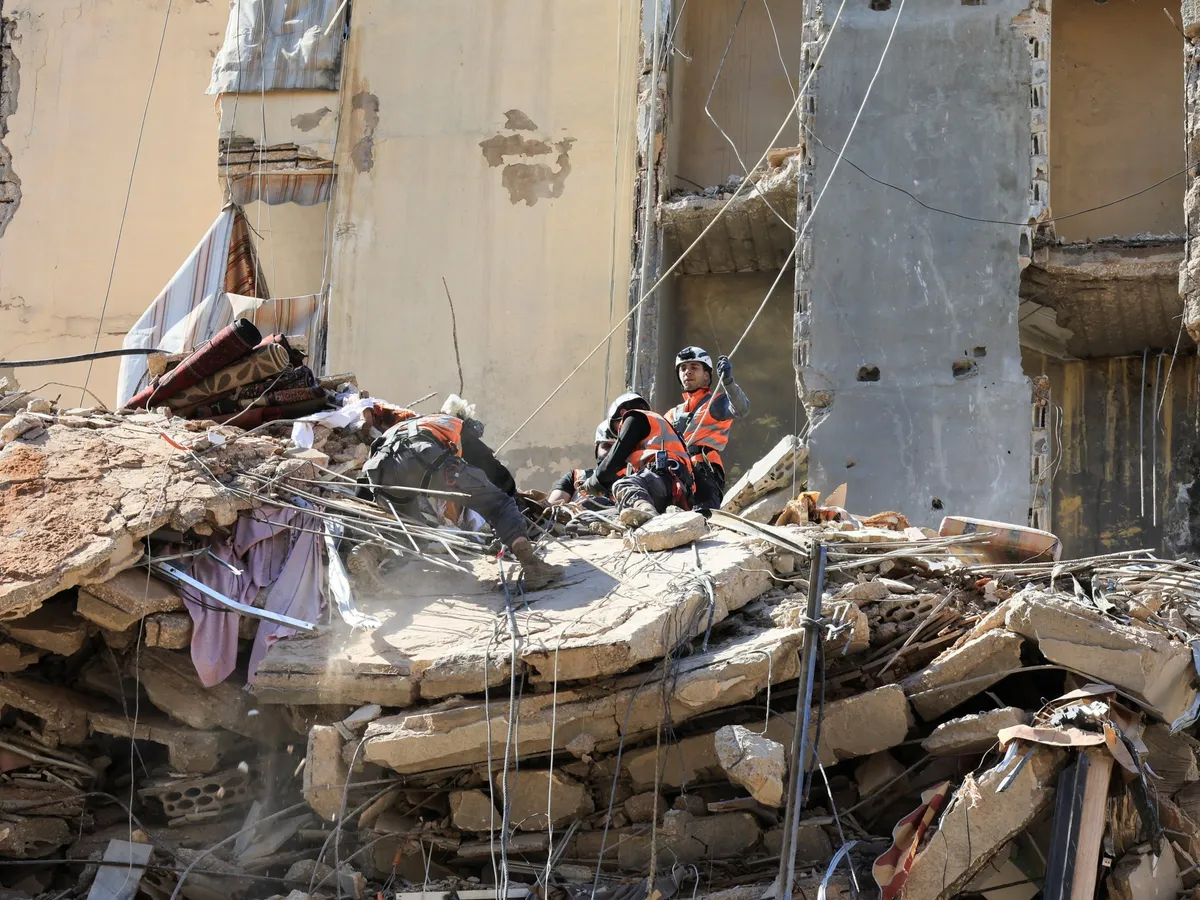
Lebanon has repeatedly raised concerns about Israeli military activity in Lebanese territory, arguing that Israeli forces have not fully complied with the terms of the ceasefire agreement. Israel has maintained that its actions are necessary for its security.
US mediation role
Washington has served as a key intermediary in the diplomatic process, with American officials shuttling between the two sides in recent months. The decision to host the next round of talks directly in the US capital underscores the level of American involvement in steering the negotiations.
By pushing for Israeli de-escalation before the talks begin, US officials appear to be attempting to reduce friction and improve the atmosphere ahead of the formal discussions, according to the Lebanese official cited by Al Jazeera.
Regional significance
The outcome of the Washington talks carries implications beyond the immediate border dispute. Lebanon is also navigating a broader political and economic recovery, while the region continues to grapple with the fallout from over a year of conflict involving Israel, Gaza, and neighboring states.
Analysts have noted that sustained diplomatic progress between Lebanon and Israel would require concrete steps on issues including Israeli troop withdrawals from Lebanese territory and the long-term enforcement mechanism for the ceasefire agreement.
Further details about the composition of the delegations or the specific agenda for next week's talks had not been publicly confirmed at the time of the report.